
Navigating Bhubaneswar Like a Local: A Comprehensive Guide for First-Time Visitors
From ancient temple etiquette to modern transit tips, discover everything you need to know to explore Odisha's capital with confidence—and why your choice of base camp matters.


Bhubaneswar is a city of fascinating dualities. It is an ancient center of Kalinga architecture, home to over 700 historical temples, and simultaneously a modern, planned IT hub drawing professionals from across the country. For a first-time visitor, this blend of the historic and the contemporary can be both thrilling and a little overwhelming. The key to unlocking the perfect Bhubaneswar experience lies in understanding its geography, its culture, and its rhythm.
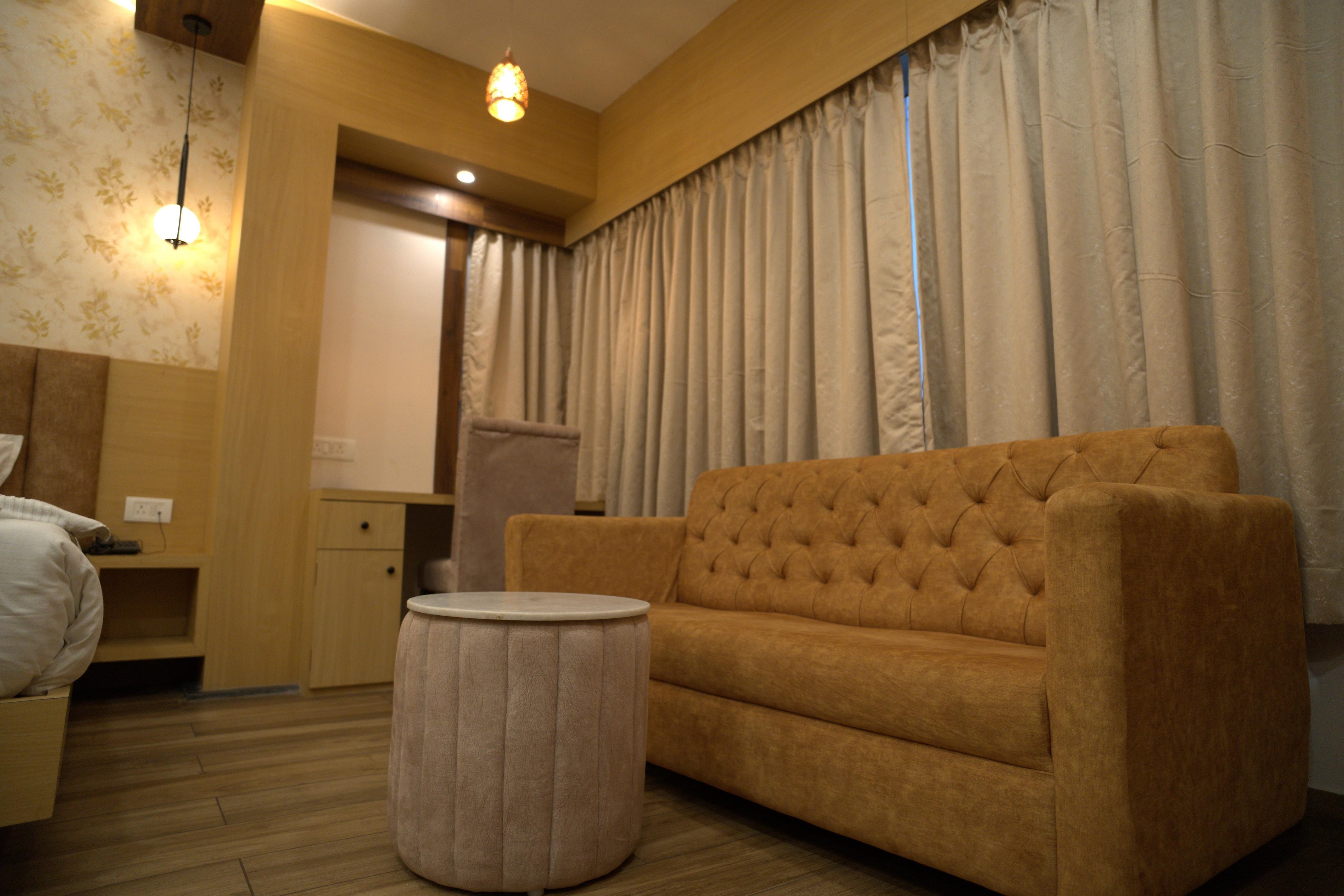
At the heart of this vibrant city lies the railway station—a major transit point that connects the capital to the rest of India. Choosing a well-connected hotel near Bhubaneswar railway station like Hotel Sonali Golden Palace gives you an immediate strategic advantage. But before you step out to explore, here is everything you need to know to navigate the Temple City like a seasoned local.
Understanding the City's Layout: Old vs. New
Bhubaneswar is broadly divided into two distinct zones: the Old Town and the New Capital. The Old Town, located towards the southeast, is a labyrinth of narrow lanes, bustling markets, and ancient temples like the Lingaraj Temple. It is spiritual, chaotic, and deeply traditional. The New Capital area, towards the west and north, features wide avenues, government buildings, shopping malls, and the InfoValley IT parks.
The railway station sits strategically as a gateway between these two worlds. Staying at Hotel Sonali Golden Palace, just minutes from the station (Master Canteen side), places you precisely at the crossroads. You can easily hire an auto-rickshaw to the Old Town in the morning for temple hopping, and be back in the modern part of the city for a fine dining experience or mall visit by evening, all without spending hours in traffic.
Temple Etiquette and the Must-Visit Triad
When visiting Bhubaneswar's temples, respect for local customs is paramount. Always remove your shoes before entering any temple complex (there are designated shoe-keeping areas for a small fee). Dress modestly—shoulders and knees should ideally be covered. Be aware that some historic temples, like the inner sanctum of the Lingaraj Temple, restrict entry to Hindus only, though viewing galleries are available for all visitors to admire the breathtaking architecture.
While there are hundreds of temples, the must-visit triad for first-timers includes the Lingaraj Temple (the largest and most iconic), the Mukteshwar Temple (often called the "gem of Odisha architecture" for its magnificent torana or arched gateway), and the Rajarani Temple (famous for its intricate erotic carvings and unique sandstone architecture, devoid of any presiding deity). All three are easily accessible via a short drive from the railway station area.
Beyond the Temples: Caves, Stupas, and Nature
If you assume Bhubaneswar is only about temples, you are in for a surprise. Just a few kilometers from the station lie the Udayagiri and Khandagiri Caves. These are partly natural and partly artificial caves of archaeological and historical significance, carved out for Jain monks in the 2nd century BC. Climbing up Khandagiri offers a stunning panoramic view of the city.
A short drive south will take you to Dhauli, the site of the historic Kalinga War. It was here that Emperor Ashoka, overwhelmed by the bloodshed, embraced Buddhism. The gleaming white Shanti Stupa (Peace Pagoda) built atop the hill is a profoundly serene experience, especially at sunset. For nature lovers, the Nandankanan Zoological Park—famous for its white tigers and beautiful botanical garden—offers a refreshing half-day excursion.
The Culinary Landscape: From Street Food to Odia Thali
Odia cuisine is subtle, flavorful, and deeply reliant on local ingredients. As a first-timer, you must try the authentic Odia Thali, which typically includes rice, dalma (a lentil and vegetable stew), saga bhaja (fried greens), and a variety of traditional desserts. Unlike the heavy gravies of North India, Odia food is generally lighter and cooked with less oil, relying heavily on mustard oil and panch phutana (a five-spice blend).
For the adventurous, the street food around the station and Master Canteen is iconic. Do not miss the Dahibara Aloo Dum—a local twist on the classic dahi vada, served with a spicy potato curry that is uniquely Bhubaneswari. Equally famous is Guguni (spiced yellow peas) and Bara (lentil fritters). To satisfy your sweet tooth, try the famous Chhena Poda (baked ricotta cheese) or the delicate Rasagola (note: the Odia rasagola is softer and less syrupy than its Bengali counterpart). After a heavy night of street food exploration, our guests at Hotel Sonali Golden Palace appreciate the option to retreat to our in-house restaurant for a hygienic, comforting meal.
Smart Transit and Souvenir Shopping
Getting around Bhubaneswar is highly affordable. The city boasts an excellent AC bus service called "Mo Bus," which connects the railway station to all major tourist spots, including Dhauli and Nandankanan. Auto-rickshaws are plentiful, but always negotiate the fare before starting your journey, or ask the hotel staff to book a reliable cab for you. App-based cab services are also widely available.
When it comes to souvenirs, skip the generic mall shops and head to Ekamra Haat. Modeled after Delhi's Dilli Haat, this artisan market is the perfect place to buy authentic Odisha handlooms like Sambalpuri Ikat sarees, Pattachitra paintings (traditional cloth-based scroll painting), and exquisite silver filigree jewelry. It is easily accessible from the station, and our front desk team at Hotel Sonali Golden Palace is always happy to guide you on fair prices and the best stalls.
Weather, Packing, and the Advantage of 24/7 Support
Bhubaneswar experiences a tropical climate. The best time to visit is between October and March, when the weather is pleasant and ideal for temple hopping. If you are visiting in the summer (April to June), be prepared for intense heat and humidity—light, breathable cotton clothing is an absolute must. The monsoon season (July to September) brings heavy rainfall, which gives the ancient temple complexes a lush, mystical vibe, but requires sturdy umbrellas and waterproof footwear.
Regardless of the season, having a secure, climate-controlled base is vital. Hotel Sonali Golden Palace offers 24/7 air-conditioned comfort, round-the-clock security, and a front desk that never sleeps. Whether you are arriving on a late-night train or need an early morning wake-up call to catch the sunrise at Dhauli, our dedicated staff ensures your itinerary stays on track without a hitch.
Start Your Bhubaneswar Journey the Right Way
Don't let travel stress ruin your Temple City experience. Book your stay at Hotel Sonali Golden Palace and enjoy the perfect blend of local access and premium comfort.
Need help planning your itinerary? Call us: +91 7854885099